Choosing between instruments can feel overwhelming when you first explore music lessons. Parents often ask the same question, which instrument gives my child the best foundation? Adults starting later in life wonder where to begin without feeling discouraged.
The truth is, there is no single perfect instrument for everyone. The right choice depends on age, personality, learning style, and long-term goals. In this guide, we compare the most popular beginner options, piano and singing, to help you make a confident and informed decision.
If you are considering beginner music lessons in Derby, this article will help you understand the strengths of each instrument and what to expect in the early stages.
Why Do Parents Choose Music Lessons For Their Children?
Many families enrol children in music lessons to build confidence, concentration, and creativity. Research from the Arts Council England shows that structured music education supports cognitive development and emotional regulation in young learners.
Parents often look for:
- Improved focus and listening skills
- Structured weekly routine
- Performance opportunities
- A creative outlet beyond school
The instrument chosen should match the child’s temperament and interests, not simply follow trends.
Is Piano The Best Instrument For Beginners?
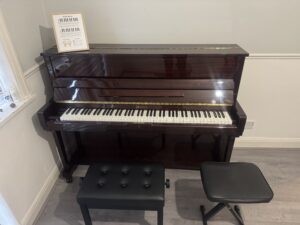
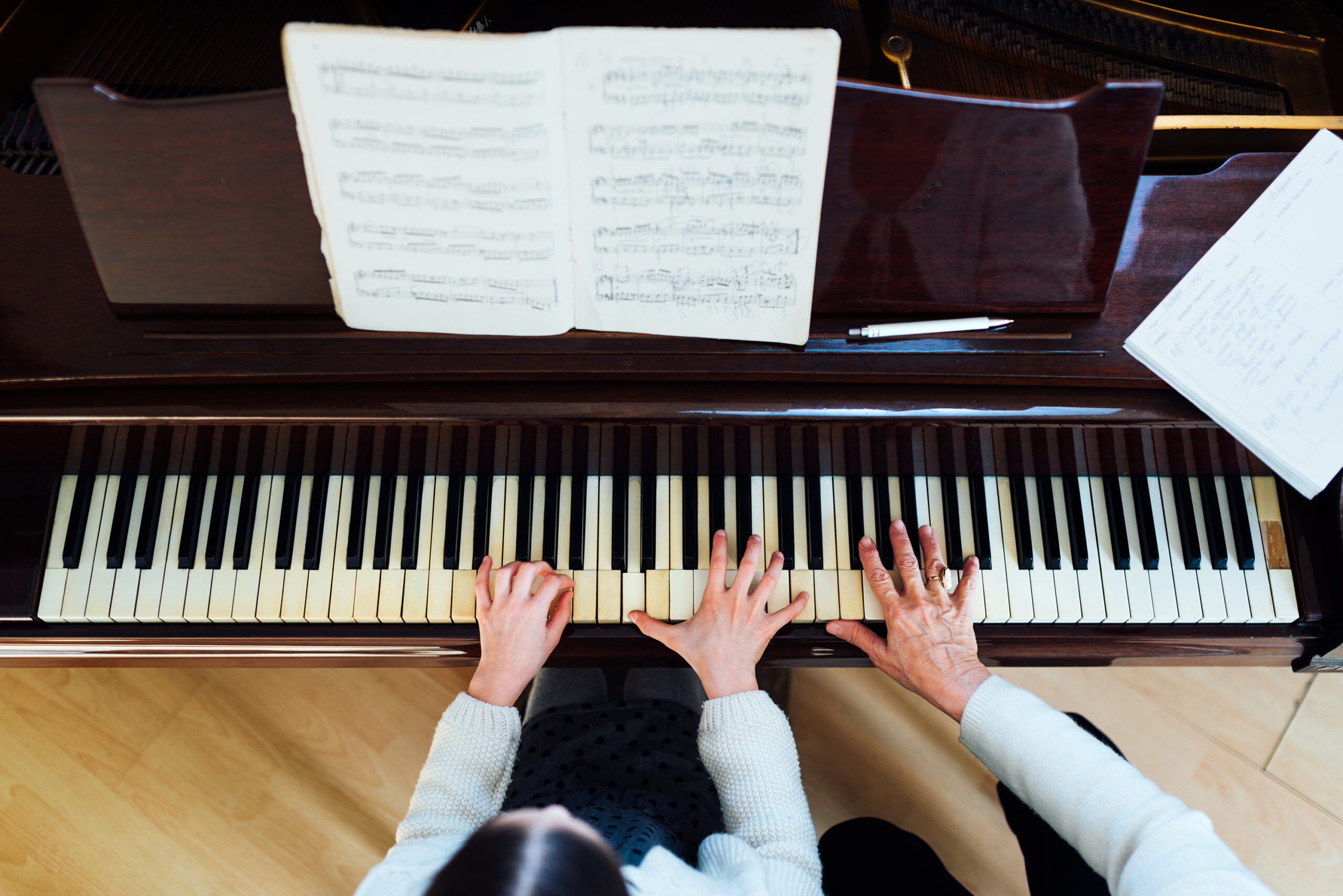
The piano is widely considered one of the strongest foundations for musical development.
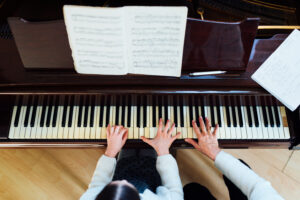
Students attending piano lessons benefit from learning both melody and harmony at the same time. The layout of the keyboard makes musical patterns visible, which helps beginners understand theory more easily.
Why Is Piano Often Recommended First?
- Notes are visually laid out in order
- Both hands develop coordination
- Clear connection between theory and sound
- Suitable for exam progression
For children aged five and above, the piano often provides a structured starting point. It encourages reading skills early and develops finger strength and coordination.
Is Music Theory A Good Starting Point?
While many students begin with a practical instrument, some benefit from starting with structured Music Theory Lessons.
Music theory focuses on notation, rhythm, harmony, and musical structure. For students preparing for graded assessments, particularly ABRSM exams, developing theory knowledge alongside practical lessons can strengthen overall understanding and progression.
Who Is Music Theory Best Suited For?
- Students preparing for Grade 5 ABRSM requirements
- Learners who enjoy analytical or written study
- Those working towards long-term exam pathways
- Students wishing to support their piano or singing lessons with deeper understanding
Music theory provides a strong academic foundation and can be studied alongside practical tuition.
Can Singing Lessons Be The Right Starting Point?
Some students are naturally drawn to singing rather than instruments.
Enrolling in singing lessons allows learners to use the instrument they already have, their voice. Vocal training focuses on breathing, pitch accuracy, and projection.
What Makes Singing A Unique Choice?
- No instrument purchase required
- Strong focus on confidence
- Encourages expressive performance
- Develops listening skills
For confident children who enjoy performing, singing can be highly rewarding. It also suits adults returning to music later in life.
What Is The Best Instrument For Younger Children?
For children aged five to seven, piano is often recommended because it:
- Develops coordination
- Supports early music reading
- Provides visual clarity
- Encourages steady progression
That said, enthusiasm is critical. A child who is excited about singing may progress faster than one pushed towards the piano.
The best instrument for children is ultimately the one they are motivated to practise.
What About Adults Starting Music Lessons in Derby?
Adults often hesitate because they believe it is too late to start. This is not true.
Many adult learners begin music lessons for relaxation, creativity, or personal development. Piano remains a strong foundation, but singing is equally suitable depending on interest.
Adults benefit from:
- Flexible pacing
- Goal-based progression
- Performance preparation if desired
- Structured exam routes if appropriate
For those considering graded assessments later on, structured preparation is available through dedicated lesson planning.
How Do You Decide Between Piano And Singing?
Instead of asking which instrument is best overall, ask:
- Which instrument excites the learner most?
- Is the child patient with structured learning?
- Does the learner prefer rhythm or melody?
- Are long-term exams a goal?
A short taster session can often clarify the decision quickly.
Sometimes, students even begin with one instrument and later add another. Many strong musicians start with piano, then expand into voice as their confidence grows.
What Happens In The First Few Lessons?
Regardless of instrument, early lessons focus on:
- Posture and basic technique
- Rhythm awareness
- Simple exercises
- Short achievable pieces
Progress in the first three months is usually steady. The goal is to build comfort and routine rather than rush into complexity.
Parents often notice improvements in concentration and confidence within weeks of starting structured music tuition.
Should You Book A Taster Session First?
Yes. A taster session allows you to:
- Meet the teachers
- See the learning environment
- Ask questions about suitability
- Assess comfort and interest
If you are exploring music lessons, visiting in person removes uncertainty and makes the decision easier.
Final Thoughts On Choosing The Best Instrument
There is no universal answer to which instrument is best to start with. Piano offers a strong technical foundation, singing develops confidence and expression, and music theory strengthens long-term musical understanding.
The most important factor is engagement. A motivated student progresses faster, practises more consistently, and gains greater enjoyment from the learning process.
If you are unsure which path to take, booking a taster session allows you to experience structured music lessons in Derby before committing to regular tuition.
Book your free taster session today and take the first step towards confident, structured music learning.