Many parents look for activities that support their child’s development while still being enjoyable and engaging. Piano lessons for children in Derby offer a structured way to build confidence, improve focus, and develop creativity from an early age.
Learning an instrument is not just about music. It helps children develop important life skills such as patience, discipline, and self-expression. For both children and teenagers, piano lessons provide a consistent routine where progress is visible and rewarding.
In this guide, we explain how piano lessons support confidence, what to expect from lessons, and how parents can choose the right starting point for their child.
Why Do Piano Lessons Help Children Build Confidence?
Confidence develops through progress, not pressure. One of the key benefits of piano lessons for children is that they provide a clear structure where children can improve step by step.
Each small achievement, whether learning a new note or completing a short piece, builds a sense of accomplishment. Over time, this helps children feel more confident in their abilities.
How Confidence Develops Through Music
- Clear progress through structured lessons
- Positive reinforcement from regular feedback
- Goal setting through learning pieces and techniques
- Achievement from mastering new skills
According to Arts Council England, participation in music education supports both emotional wellbeing and confidence in young learners.
What Are the Benefits of Piano Lessons for Children and Teens?
Beyond confidence, piano lessons support a wide range of developmental benefits. These extend into both school life and personal growth.
Key Benefits of Music Lessons
- Improved concentration and attention span
- Better coordination between the hands and brain
- Stronger memory skills
- Creative expression through music
- Structured routine that supports discipline
What Age Should Children Start Piano Lessons?
Parents often ask when the right time is to begin. Most children are ready to start beginner piano lessons from around five years old, although this can vary depending on the child.
At this age, children typically have the coordination and focus needed to follow simple instructions and engage with structured learning.
For teenagers, starting later can still be highly effective. Teen piano lessons often progress more quickly due to increased focus and independence.
What Happens in a Typical Piano Lesson?
Understanding what happens in a lesson helps parents feel more confident about getting started.
Structured lessons are designed to balance learning with enjoyment.
Lesson Structure Explained
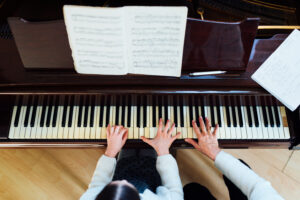
- Warm-up exercises to develop finger control
- Introduction to new notes or techniques
- Practice of simple pieces
- Feedback and encouragement
Lessons are adapted to each student’s pace, ensuring they feel comfortable while still progressing.
How Do Piano Lessons Support Teen Development?
Teenagers benefit from having a focused activity outside of school. Music lessons provide a productive outlet where they can develop skills and work towards personal goals.
Benefits of lessons for teenagers:
- Builds independence and self-discipline
- Supports GCSE music and performance goals
- Provides a creative outlet
- Encourages long-term skill development
Many students also choose to work towards graded exams, which provide clear milestones and a sense of achievement.
How Can Parents Support Practice at Home?
Parental support plays an important role in progress, especially for younger children.
Simple Ways to Support Learning
- Encourage short, regular practice sessions
- Create a consistent weekly routine
- Celebrate small achievements
- Keep practice enjoyable and pressure-free
Consistency is more important than long practice sessions. Even 10 to 15 minutes per day can lead to steady improvement.
How Do You Choose the Right Music Academy?
Choosing the right teacher and environment can make a significant difference to your child’s experience.
What to Look For
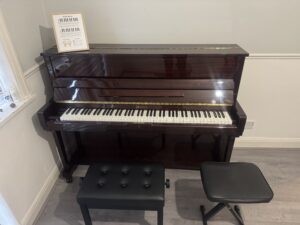
- A comfortable and consistent learning environment
- A supportive and encouraging teaching style
- Structured lessons with clear progression
- Experience teaching children and teenagers
Why Consistency Matters More Than Talent
A common misconception is that musical ability depends on natural talent. In reality, progress is driven by consistency and structured learning.
Children who attend regular lessons and practise consistently tend to develop skills more effectively than those who rely on ability alone.
This is why structured piano lessons focus on building habits as well as skills.
Should You Book a Taster Session First?
A taster session is one of the best ways to understand whether piano lessons are the right fit.
It allows both parents and children to:
- Meet the teacher
- Experience the lesson structure
- Ask questions
- Build initial confidence
This removes uncertainty and helps children feel more comfortable starting something new.
Book Piano Lessons in Derby Today
If you are considering piano lessons for children, starting with a structured and supportive approach can make a lasting difference.
At LKS Music Academy, lessons are designed to help children and teenagers build confidence, develop skills, and enjoy learning music at their own pace.